
Handbook of Civil War Texas
At 4:30 on the morning of April 12, 1861—one hundred and fifty years ago this spring (2011)—Confederate States of America artillery opened fire on United States troops in Fort Sumter, South Carolina, beginning the American Civil War. Texans, who had voted overwhelmingly in February 1861 to secede from the Union and then watched their state join the Confederacy in March, thus became involved in a four-year conflict that would take the lives of many and leave none untouched. Texas escaped much of the terrible destruction of the war for a simple reason—United States troops never managed to invade and occupy the state’s interior. In sum, the Civil War exacted a huge price, primarily in terms of lives lost and ruined in the Confederate Army and in the privations of those left at home. However, the conflict had two vitally positive results for Texas: It freed the state’s more than 200,000 enslaved people, and it destroyed the curse of the ‘Peculiar Institution’ for the entire society of the Lone Star State.
Given the importance of the Civil War in shaping Texas’s past, it is not surprising that the original Handbook of Texas (1952), the Handbook of Texas Supplement (1976), and the New Handbook of Texas (1996) contained numerous entries on the soldiers and military units from the state and the major battles in which they fought. However, these scattered entries, while valuable, did not represent an attempt at complete or coherent coverage of Texas in the war, a fact that caught the attention of Mark Odintz, Managing Editor of The New Handbook of Texas from 2005 to 2009. Mark first proposed the creation of a “Handbook of Civil War Texas” in 2005, beginning a project that has taken longer than the war itself to complete! Myriad reasons account for the long delay in bringing Mark’s idea to fruition, but now, as the sesquicentennial of the war opens, the Texas State Historical Association is prepared to debut The Handbook of Civil War Texas. This site has more than 800 entries relating to the war in the Lone Star State, many of which appeared in earlier versions of the Handbook, but more than 325 of which are new. For example, for the first time there are entries on all units from Texas in the Confederate Army, and there are hundreds of new biographies of Texans who held the rank of major or higher. Many of the new entries are enriched with illustrations provided by the Lawrence T. Jones III Texas Photographs Collection at Southern Methodist University.
Acknowledgments of those who contributed to this project cannot include, of course, all of the “usual suspects” in Texas Civil War history who wrote entries that are essential to the story. I am sure, however, that I can thank scholars such as Alwyn Barr, Tom Cutrer, and Anne Bailey without fear of offending other contributors. I also want to offer a special note of thanks to Bruce S. Allardice of South Suburban College in Chicago. Bruce, who lists Confederate Colonels: A Biographical Register (U of MO Press, 2008) and Texas Burial Sites of Civil War Notables (co-author, Hill College, 2002) among his major publications provided additional information on literally dozens of the existing biographical entries and contributed important new entries as well. His assistance continues to be invaluable.
Three members of the Texas State Historical Association’s staff deserve particular recognition for their work on this project. Research Editor Laurie E. Jasinski participated in every stage from advising research assistants on how to write entries to copy editing all of the new entries. Ann T. Smith, as Data Management Editor, also worked on every aspect of the project, especially by managing the entries in electronic form through the processes of fact checking, copy editing, and posting on the site. Steve Portch, Director of the Digital Gateway, provided the technical expertise necessary to create the The Handbook of Civil War Texas site with more than 800 entries, many of which are illustrated. Additionally, Stephanie Niemeyer, should be recognized for contributing numerous entries on Civil War topics while she served as an administrative associate on the Handbook staff.
Finally, graduate research assistants, both at the University of Texas and the University of North Texas, made this project possible. Aragon Storm Miller and Jennifer Eckel at UT Austin contributed dozens of new entries, primarily biographies, on important individuals. At the University of North Texas, five graduate students—Jennifer Bridges, Brett J. Derbes, Matthew K. Hamilton, James A. Hathcock, and David B. Park—researched and wrote on numerous new topics and also worked as fact checkers on all the new entries. Derbes, Hamilton, and Hathcock regularly went above and beyond the requirements placed on them, and the project benefited immeasurably from their efforts.
Randolph B. “Mike” Campbell, Project Director and Former Chief Historian

Trending Entries
Every one of our entries is written, fact-checked, and reviewed by our team of professionals, historians, and academics. The time, dedication, and support from our staff & people like you—through recurring memberships & donations—is what makes it possible for us to continue to produce quality work that you can trust.
Juneteenth Read 1,471 times in the past week
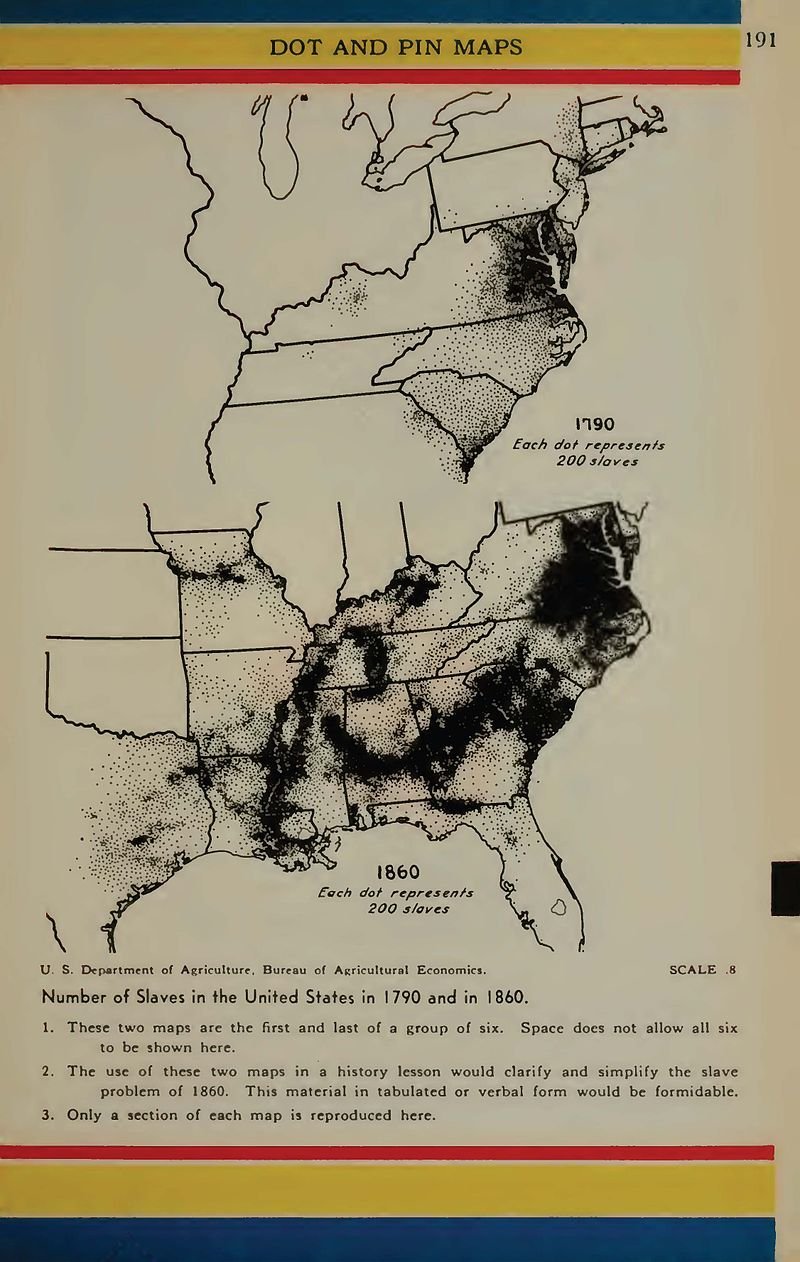
Slavery Read 1,390 times in the past week
Houston, Sam Read 799 times in the past week
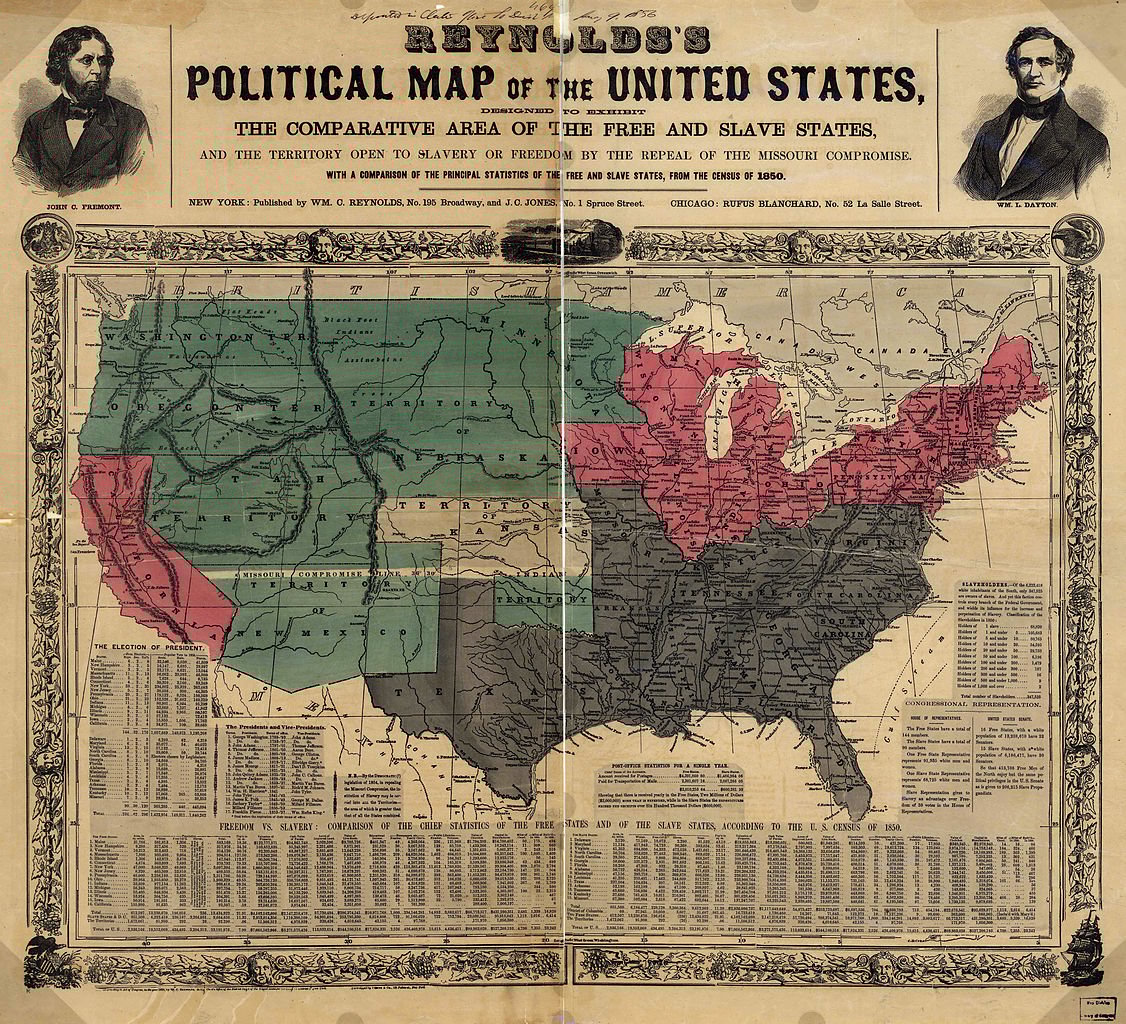
Civil War Read 787 times in the past week

Knights of the Golden Circle Read 585 times in the past week
Secession Read 534 times in the past week
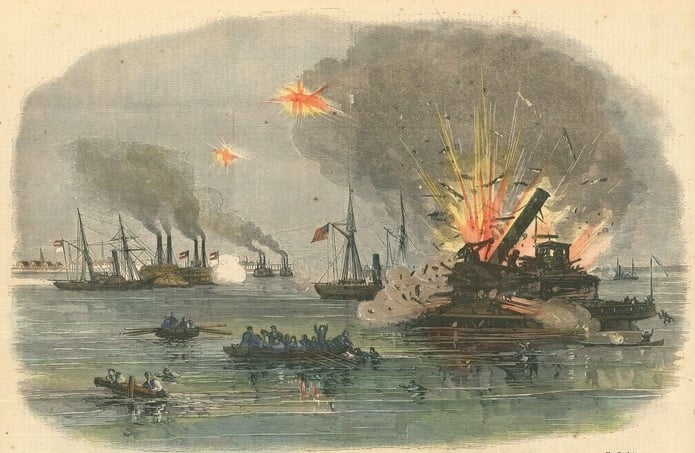
Galveston, Battle Of Read 439 times in the past week
King, Richard Read 438 times in the past week
African Americans Read 370 times in the past week
Capital Punishment in Texas Read 352 times in the past week
Table of Contents
Browse entries by category, time period, or place
- Activism and Social Reform
- Agriculture
- Archeology
- Architecture
- Business
- Education
- Art and Music Schools
- Board Members
- Community Colleges
- Defunct Colleges and Universities
- Defunct Elementary and Secondary Schools
- Educators
- Laws, Legislation, and Law Schools
- Lawyers, Civil Rights Activists, and Legislators
- Military Institutes and Flight Schools
- Private Elementary and Secondary Schools
- Publications and School Presses
- School Principals and Superintendents
- School Trustees and Regents
- State Officials and Agencies
- Theological Seminaries and Colleges
- University Presidents and School Administrators
- Exploration
- Founders and Pioneers
- Health and Medicine
- Journalism
- Labor
- Law, Law Enforcement, and Outlaws
- Feuds
- Law Firms and Law Profession
- Law Officers
- Lawless Activities and Outlawed Activity
- Lawyers
- Outlaws, Criminals, Prostitutes, Gamblers, and Rebels
- Prison Administrators and Reformers
- Prisons and Correctional Facilities
- Rebellions, Raids, and Wars
- Riots
- Sheriffs
- Texas Rangers
- Victims of Mob Violence and Police Brutality
- Vigilante Activity/Mob Violence
- Military
- Museums, Libraries, and Archives
- Music
- Oil and Gas Industry
- Organizations
- Patrons, Collectors, and Philanthropists
- Peoples
- Performing Arts
- Politics and Government
- Civic and Community Leaders
- Court Cases and Controversies
- Courts and Judiciary
- First Lady/First Gentleman of Texas
- Government Officials
- House
- Republic of Texas Congressmen
- Senate
- State Legislators
- Eighteenth Legislature (1883-1884)
- Eighth Legislature (1859-1861)
- Eleventh Legislature (1866)
- Fifteenth Legislature (1876)
- Fifth Legislature (1853-1854)
- First Legislature (1846)
- Fourteenth Legislature (1874-1875)
- Fourth Legislature (1851-1853)
- Nineteenth Legislature (1885)
- Ninth Legislature (1861-1863)
- Second Legislature (1847-1848)
- Seventeenth Legislature (1881-1882)
- Seventh Legislature (1857-1858)
- Sixteenth Legislature (1879)
- Sixth Legislature (1855-1856)
- Tenth Legislature (1863-1864)
- Third Legislature (1849-1850)
- Thirteenth Legislature (1873)
- Thirtieth Legislature (1907)
- Thirty-first Legislature (1909-1910)
- Thirty-second Legislature (1911)
- Twelfth Legislature (1870-1871)
- Twentieth Legislature (1887-1888)
- Twenty-eighth Legislature (1903)
- Twenty-fifth Legislature (1897)
- Twenty-first Legislature (1889)
- Twenty-fourth Legislature (1895)
- Twenty-ninth Legislature (1905-1906)
- Twenty-second Legislature (1891-1892)
- Twenty-seventh Legislature (1901)
- Twenty-third Legislature (1893)
- Judges
- Ranching and Cowboys
- Religion
- Science
- Transportation and Railroads
- Visual Arts
- Women
- Writers, Authors, Publications, and Literature
Browse Entries
1,176 results foundPage 1 of 24