
Neques: Tonkawa Chief and Advocate for Peace in 18th Century Texas (unknown–1779)
By: Haley George
Published: March 11, 2026
Updated: March 11, 2026
Neques was a chief of the Tonkawa Indians in Texas in the eighteenth century. While very little is documented about his life, records indicate that he was a proponent of peace with the Spanish who inhabited Texas during this time. His stance led to his indirect participation in the 1771 peace council that was organized by Athanase de Mézières.
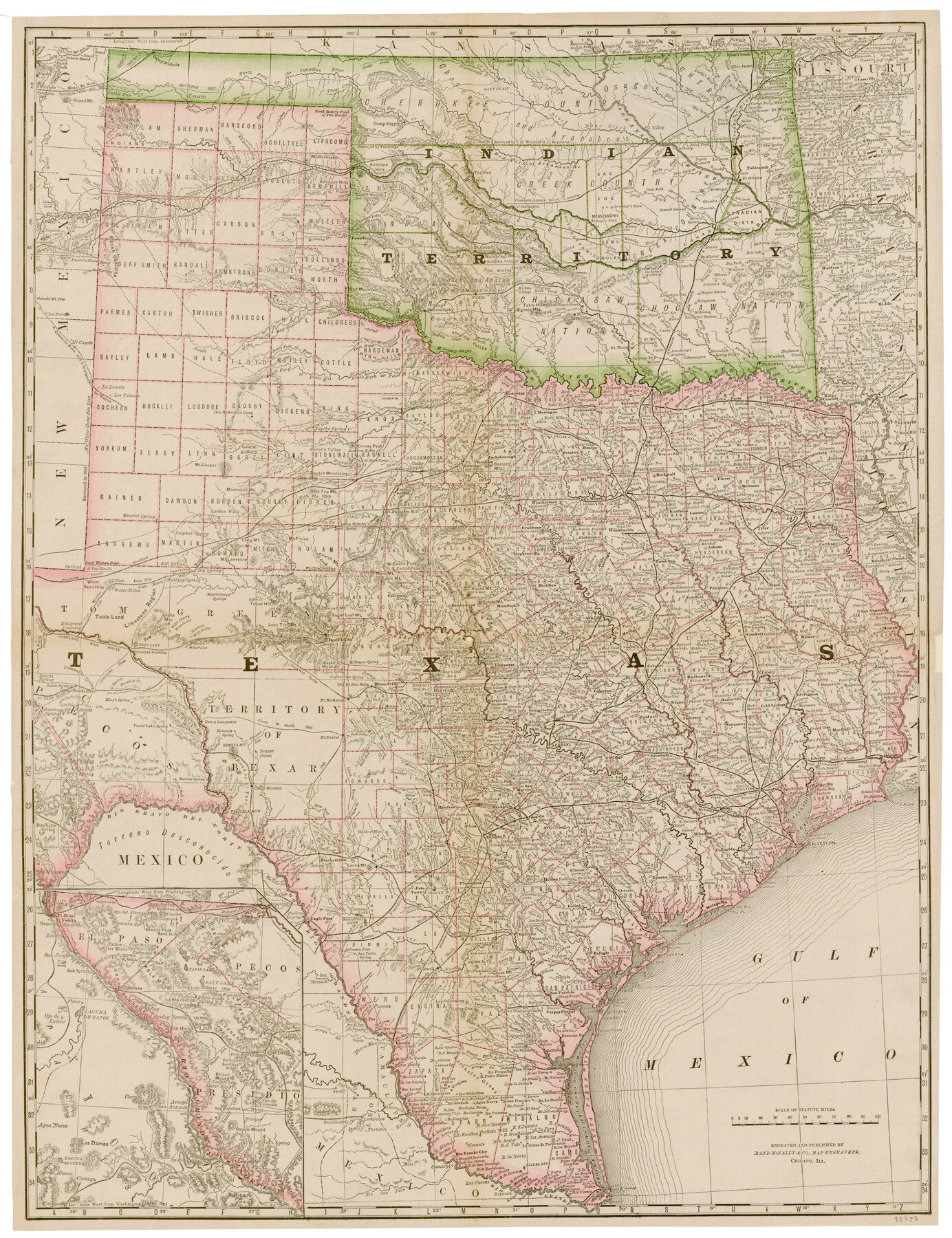
In 1771 Athanase de Mézières, Spanish Indian diplomat and lieutenant governor of Natchitoches, sought to establish peace with several Indigenous groups, including the Caddos, Wichitas, and Tonkawas. These negotiations resulted in a peace treaty council that was held at San Luis de los Cadodachos, a Caddo settlement located about 100 leagues (or 300 miles) from the fort at Natchitoches. This settlement was originally a French fort named Le Poste des Cadodaquious (located in modern-day Bowie County).
Neques did not attend this 1771 council in person due to lack of horses and resources and instead delegated the chiefs of other nations to speak on his behalf to endorse peace and negotiate. This decision showed Neques’s commitment to diplomacy rather than conflict, as was being adopted by many other Indigenous leaders in response to the Spanish expanding and increasing in power throughout the region.
A January 4, 1774, letter from Viceroy Antonio María Bucareli y Ursúa to Governor Juan María Vicencio de Ripperdá described how thirty-five Tonkawas entered San Antonio de Béxar Presidio to ratify a peace treaty that had been offered to them two years earlier. Among them was a chief identified as the leader of his nation—very possibly Neques himself. This suggests that Neques was present in San Antonio at the time and may have remained there until his death.
Neques had died by early September 1779. In a letter dated September 5, 1779, De Mézières reported that the Tonkawas had informed him that their chief was dead. It is likely that Neques died during the smallpox epidemic that swept through Texas in the late eighteenth century. By 1781 Governor Domingo Cabello reported that the epidemic had devastated Indigenous communities in the region. Burial records show that the Indigenous population at the San Antonio missions declined from approximately 800 in 1777 to just 543 by 1783, underscoring the epidemic’s catastrophic impact.
Following Neques’s death, leadership of the Tonkawa people passed to El Mocho. Governor Cabello wrote an official declaration recognizing him as the new leader on October 8, 1779. El Mocho frequently clashed with Neques regarding diplomatic ventures with the Spanish. While Neques’s goal was peace, El Mocho is described in the letter on September 5, 1779, by Athanase de Mézières as a “lover of disturbances.” He further wrote, “No one has been more opposed to us” and that El Mocho showed himself as a “perfidious enemy” to the Spanish. According to De Mézières, El Mocho was an Apache who had been a captive and was subsequently adopted and rose to prominence. His participation in the destruction of the San Saba mission was also noted.
Bibliography:
Bexar Archives, Dolph Briscoe Center for American History, University of Texas at Austin. Herbert Eugene Bolton, ed., Athanase de Mézières and the Louisiana-Texas Frontier, 1768–1780 (2 vols., Cleveland: Arthur H. Clark Company, 1914). Elizabeth A. Fenn, Pox Americana: The Great Smallpox Epidemic of 1775–82 (New York: Hill and Wangf, 2001). Lawrence Kinnaird, Francisco Blache, and Navarro Blache, “Spanish Treaties with Indian Tribes,” Western Historical Quarterly 10 (January 1979).
Categories:
Time Periods:
Places:
The following, adapted from the Chicago Manual of Style, 15th edition, is the preferred citation for this entry.
Haley George, “Neques,” Handbook of Texas Online, accessed April 11, 2026, https://www.tshaonline.org/handbook/entries/neques.
TID:
FNEQU
- March 11, 2026
- March 11, 2026
This entry belongs to the following special projects:
Is history important to you?
We need your Support because we are a non-profit that relies upon contributions from our community in order to record and preserve the history of our state. Every dollar helps.
I Want to Help Support the Preservation of Texas History→



Share this entry on social media: